bio.wikisort.org - Plant
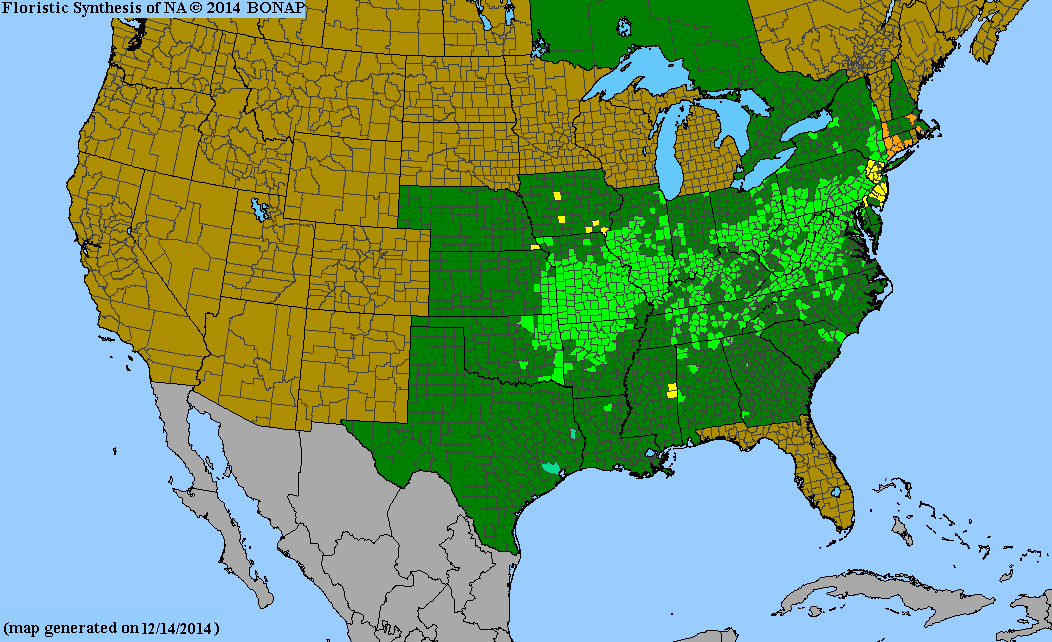
Cuphea viscosissima, also known as blue waxweed,[3][4] clammy cuphea or (ambiguously) as "tarweed",[1][5] is an herbaceous plant in the loosestrife family. It native to the eastern United States,[6] where it is most often found in open, rocky calcareous areas.[7][8] It is the most common and widespread Cuphea in the U.S.[9]
| Cuphea viscosissima | |
|---|---|
 | |
Scientific classification  | |
| Kingdom: | Plantae |
| Clade: | Tracheophytes |
| Clade: | Angiosperms |
| Clade: | Eudicots |
| Clade: | Rosids |
| Order: | Myrtales |
| Family: | Lythraceae |
| Genus: | Cuphea |
| Species: | C. viscosissima |
| Binomial name | |
| Cuphea viscosissima | |
| Synonyms[1][2] | |
| |

Wikispecies has information related to Cuphea viscosissima.
This species is notable for its sticky stems. It produces a purple-red flower in late summer.[10] Flowers attract butterflies and hummingbirds.[8]
This species is morphological similar to Cuphea lanceolata, which is found in Mexico. It can be distinguished from Cuphea lanceolata by its smaller flower.[9]
References
- "Cuphea viscosissima". Germplasm Resources Information Network (GRIN). Agricultural Research Service (ARS), United States Department of Agriculture (USDA). Retrieved January 19, 2018.
- "Cuphea viscosissima". Integrated Taxonomic Information System. Retrieved October 25, 2007.
- Blanchan, Neltje (2002). Wild Flowers: An Aid to Knowledge of our Wild Flowers and their Insect Visitors. Project Gutenberg Literary Archive Foundation.
- Cuphea viscosissima at USDA PLANTS Database
- Cuphea viscosissima at Plants For A Future
- "Cuphea viscosissima". County-level distribution map from the North American Plant Atlas (NAPA). Biota of North America Program (BONAP). 2014. Retrieved 20 January 2017.
- "Flora of the Southern and Mid-Atlantic States". Archived from the original on 2018-10-06. Retrieved 2017-01-21.
- Missouri Botanical Garden
- Graham, Shirley (1988). "Revision of Cuphea Section Heterodon (Lythraceae)". Systematic Botany Monographs. 20: 1–168. doi:10.2307/25027697. JSTOR 25027697.
- "Missouri Plants". Archived from the original on 2015-08-31. Retrieved 2017-01-21.
 | This Myrtales article is a stub. You can help Wikipedia by expanding it. |
На других языках
- [en] Cuphea viscosissima
[es] Cuphea viscosissima
Cuphea viscosissima[4][5][1][6] es una especie de planta de la familia Lythraceae, es nativa de los Estados Unidos y es un potencial recurso para la producción de aceite comestible para los humanos.Текст в блоке "Читать" взят с сайта "Википедия" и доступен по лицензии Creative Commons Attribution-ShareAlike; в отдельных случаях могут действовать дополнительные условия.
Другой контент может иметь иную лицензию. Перед использованием материалов сайта WikiSort.org внимательно изучите правила лицензирования конкретных элементов наполнения сайта.
Другой контент может иметь иную лицензию. Перед использованием материалов сайта WikiSort.org внимательно изучите правила лицензирования конкретных элементов наполнения сайта.
2019-2026
WikiSort.org - проект по пересортировке и дополнению контента Википедии
WikiSort.org - проект по пересортировке и дополнению контента Википедии