bio.wikisort.org - Plant
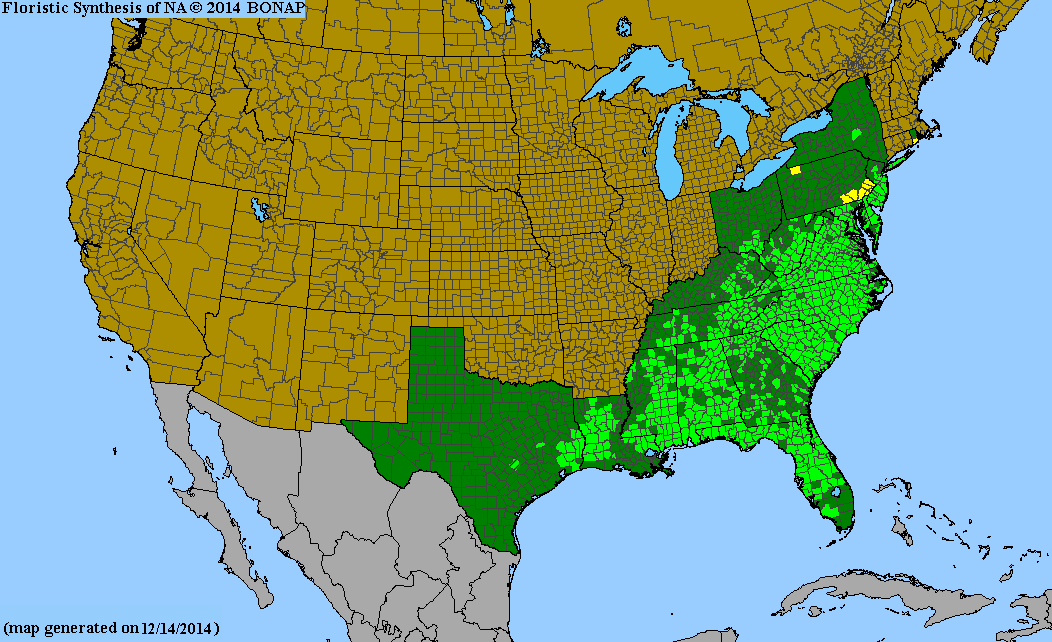
Chrysopsis mariana, known as the Maryland golden-aster, is a North American species of plants in the family Asteraceae. The Maryland golden-aster ranges from Rhode Island and New York, west to Kentucky and southern Ohio, and south as far as Florida and Texas.[2]
| Chrysopsis mariana | |
|---|---|
 | |
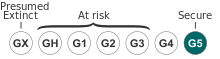
Conservation status | |
Scientific classification  | |
| Kingdom: | Plantae |
| Clade: | Tracheophytes |
| Clade: | Angiosperms |
| Clade: | Eudicots |
| Clade: | Asterids |
| Order: | Asterales |
| Family: | Asteraceae |
| Genus: | Chrysopsis |
| Species: | C. mariana |
| Binomial name | |
| Chrysopsis mariana (L.) Elliott | |
| Synonyms[1] | |
| |
Description
Compared to other asters, the Maryland golden-aster has broader leaves and larger flowers. Because of its silky stems, the Maryland golden-asters are also known as silkgrass. Like its relatives the prairie golden-aster and the grass-leaved golden-aster, the Maryland golden-aster blooms only from August to October. The Maryland golden-aster grows one to two feet tall.[3][4] It grows in a variety of habitats including fields, natural rock outcrops, and open areas.[4]
References
- The Plant List, Chrysopsis mariana (L.) Elliott
- Biota of North America Propgram 2014 county distribution map
- Peterson, Roger T.; Margaret McKenny (1984). Northeastern Wildflowers. Boston: Houghton Mifflin Company. p. 108.
- Flora of North America, Maryland goldenaster, Chrysopsis mariana (Linnaeus) Elliott
External links
- Wildflowers of the Southeastern United States, Maryland golden-aster
- North Creek Nurseries, Gardening information on the Maryland golden-aster
 | This Astereae article is a stub. You can help Wikipedia by expanding it. |
Другой контент может иметь иную лицензию. Перед использованием материалов сайта WikiSort.org внимательно изучите правила лицензирования конкретных элементов наполнения сайта.
WikiSort.org - проект по пересортировке и дополнению контента Википедии